It’s not just hot in Bihar. It’s dangerous. As temperatures soared to a blistering 47°C in parts of the state this May, residents are facing what locals call “fire from the sky.” The situation has escalated beyond mere discomfort into a public health crisis, with two cities landing on a global list of the world’s hottest places.
Here’s the thing: while most of us complain about summer, people in Sasaram and Buxar are fighting for survival. The mercury didn’t just rise; it spiked. And now, hospitals are scrambling to keep up.
A Global Heat Record Locally Felt
Data from air quality monitoring platform AQI.in revealed a startling fact recently. Both Sasaram and Buxar made it onto the list of the 50 hottest cities in the world. That’s right—global competition, but nobody wants to win this one.
In Sasaram, located in the Rohtas district, temperatures hit a staggering 47°C. Just a short distance away in Buxar, readings reached 46°C. To put that in perspective, water boils at 100°C, but human bodies start struggling dangerously above 35-40°C core temperature. When the ambient air is nearly 50 degrees Celsius, exposure becomes lethal within hours.
The twist is that this isn’t an isolated incident. These extreme readings occurred during the traditional "Nautapa" period—the nine hottest days of the year in the region. Historically, farmers have used this time to rest their fields, but modern life doesn’t allow for such pauses. Construction workers, daily wage laborers, and students are all exposed to these brutal conditions.
Hospitals Prepare for the Worst
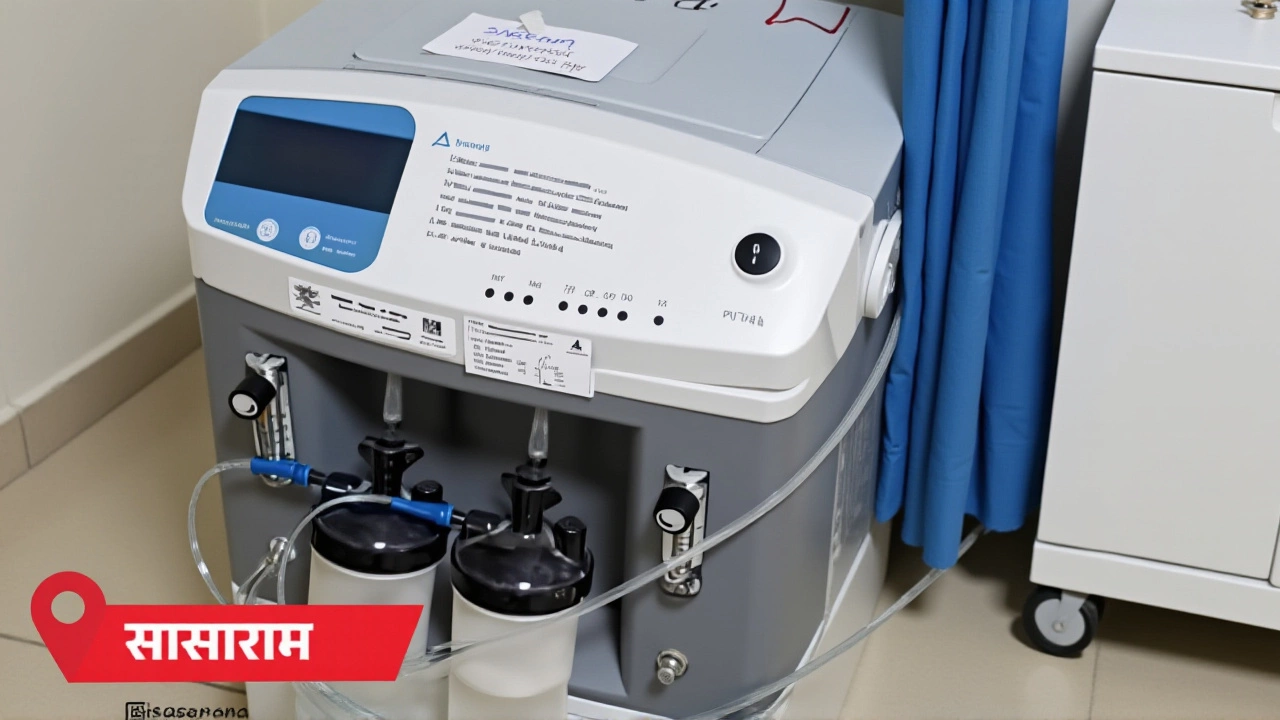
Recognizing the imminent threat, local health authorities took preemptive action. In both Buxar and Sasaram, Community Health Centers established special "Loo Wards." These aren’t your typical hospital rooms. They are equipped with industrial coolers, stocked with cold water, and filled with essential medications specifically for heatstroke and dehydration.
Why the urgency? Because heatstroke kills quickly. Symptoms like dizziness, nausea, and confusion can escalate to organ failure in minutes if not treated immediately. By setting up these dedicated wards, doctors hope to reduce response time. Instead of waiting for a general bed to open up, patients arriving with severe heat stress get immediate cooling treatment.
But wait—there’s more. In Saran district, another hotspot where temperatures touched 43°C, the administration issued strict advisories. Residents were told to stay indoors between 11 AM and 3 PM. Those are the peak danger hours when the sun is directly overhead and the "Loo"—a dry, hot wind common in North India—is strongest.
Life Under the Scorching Sun
What does this look like on the ground? Imagine walking down a street in Sasaram on a Sunday. Usually bustling with market activity, the roads are eerily empty. Shops close early. People retreat behind closed doors, fans whirring uselessly against the thick, hot air.
Local reports describe the earth as "baking like a tawa" (griddle). Even at night, relief is scarce. The residual heat trapped in concrete and soil keeps nighttime temperatures uncomfortably high, preventing proper rest. Sleep deprivation adds to the physical strain, making people more vulnerable to illness.
This isn’t just about comfort. It’s about economic survival. Daily wage earners lose income when they can’t work outdoors. Small businesses see sales drop as customers avoid going out. The ripple effects touch every layer of society.
Weather Patterns and Future Outlook
So, what’s driving this intensity? Meteorologists point to a clash of winds. Eastern breezes bring humidity, while western winds carry dry heat. This combination creates a pressure cooker effect across South Bihar. Meanwhile, in the Simanchal region to the east, some areas saw clouds and thunderstorms, offering brief respite. But for the south, it’s been relentless.
There is a glimmer of hope, however. Weather forecasts suggest that by the 26th of the month, storms and rain may sweep across most of the state, excluding southwestern pockets. Experts predict a drop of 3-4°C in maximum temperatures over the next three to four days. For now, though, the focus remains on damage control.
The details are still evolving as climate patterns shift. What we know for sure is that extreme heat events are becoming more frequent and intense. This year’s episode serves as a stark warning for urban planning and public health infrastructure in India.
Frequently Asked Questions
Which cities in Bihar recorded the highest temperatures?
Sasaram recorded a peak temperature of 47°C, while Buxar reached 46°C. Saran also saw high temperatures hitting 43°C. These readings placed Sasaram and Buxar among the top 50 hottest cities globally according to AQI.in data.
What are "Loo Wards" and why were they created?
Loo Wards are specialized hospital units set up in Buxar and Sasaram to treat heatstroke victims. They feature coolers, cold water supplies, and specific medications to rapidly lower body temperature and rehydrate patients suffering from the intense "Loo" winds.
When should residents avoid going outside?
Local administrations advised residents to stay indoors between 11 AM and 3 PM. This window represents the peak heat hours when the risk of heatstroke is highest due to direct sunlight and strong hot winds.
Is there any relief expected in the coming days?
Yes, weather forecasts indicate that storms and rainfall may arrive by the 26th of the month for most of Bihar. This could lead to a temperature drop of 3-4°C over the subsequent three to four days, providing temporary relief.
What is the "Nautapa" period?
Nautapa refers to the traditional nine hottest days of the year in the Indian subcontinent. During this period, temperatures consistently reach their annual peaks, making it the most dangerous time for heat-related illnesses.